Damp Proofing Guide: Causes, Fixes & Prevention
Damp is more than cosmetic—it can damage plaster, timber, and indoor air quality. Here’s how to identify the source and solve it for good.
Common Types of Damp
- Condensation – Moist air condenses on cold surfaces; common in kitchens and bathrooms.
- Rising damp – Ground moisture travels up walls due to a failed or missing damp proof course (DPC).
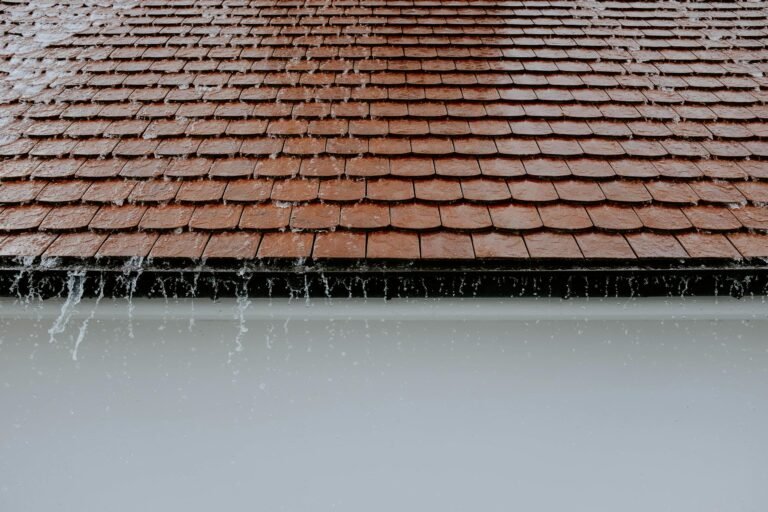
- Penetrating damp – Rainwater enters through cracks, defective pointing, gutters, or roof leaks.
How We Diagnose
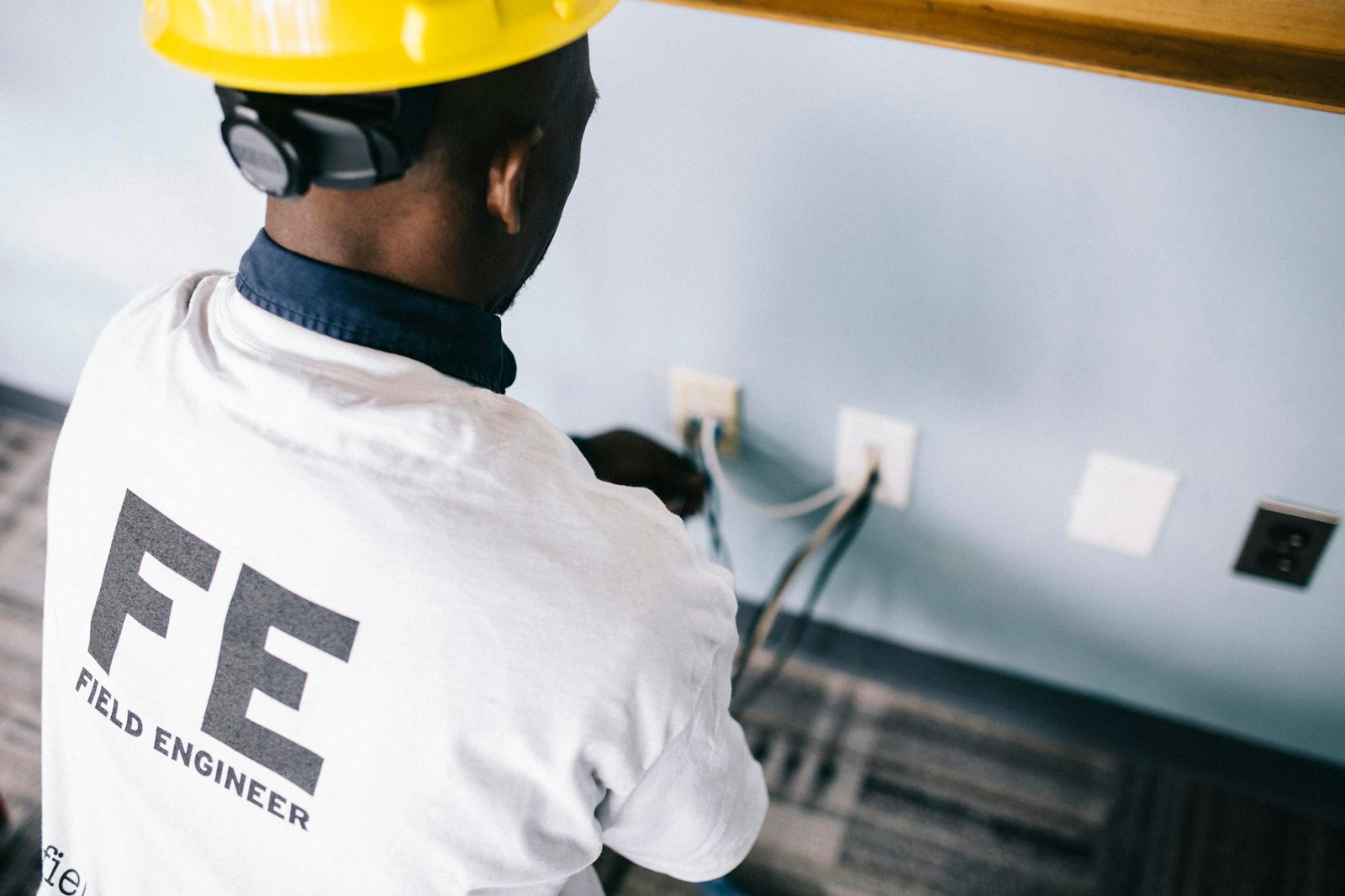
We use moisture meters, salt analysis, and a visual survey of roofs, gutters, masonry, and internal finishes to locate the root cause before recommending treatment.
Effective Treatment Options
- Condensation control – Ventilation upgrades, extractor fans, trickle vents, and insulation to reduce cold spots.
- Rising damp – Chemical DPC injection, salt-contaminated plaster removal, and breathable replastering.
- Penetration fixes – Repairing gutters, roof details and repointing; sealing cracks; improving weatherproofing.
Prevention Tips
- Keep gutters and downpipes clear and functional.
- Maintain mortar joints and external paintwork.
- Use kitchen/bathroom extraction and avoid drying clothes indoors.
- Consider insulation and ventilation upgrades in colder rooms.
Every property is different, so a proper survey is essential to avoid treating symptoms instead of causes. Our team delivers lasting, breathable solutions that protect structure and finishes.
Explore our Damp Proofing service or book a free assessment.